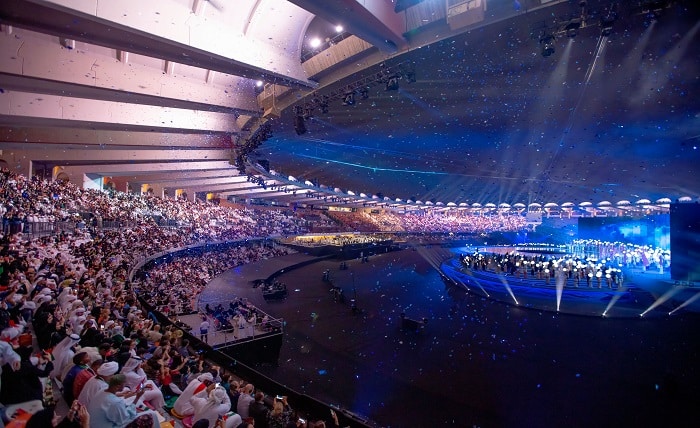
For more than a decade, the silver saucer of the Spodek in Katowice was the place where Counter-Strike fans from Brazil, Sweden and Ukraine learned to pronounce Polish consonants. Every winter the city turned into a pilgrimage site, with hotel rooms booked months ahead and tram stops covered in team logos.
Polish fans who follow the scene closely also read match previews, roster news and odds movement side by side, and a platform such as x3bet is one place where the numbers behind a big series can be checked in the same sitting as the schedule. That habit of reading the scene as a whole is exactly what makes the venue question interesting, because a bigger building changes who gets to be in the crowd.
Why a Move From Spodek Was Always Coming
Katowice’s saucer was finished in 1971, and a concert setup squeezes in about 11,000 bodies. In the first seasons, with a few thousand diehards in the stands, it felt cavernous. When passes started selling out before lunchtime, the capacity stopped being a detail and became the problem.
Behind the curtain, the production crew wrestled with problems nobody in the stands ever noticed. Load in windows for a stage with a huge LED wall are tight, and the old arena has limited rigging points compared with newer halls. Every extra camera crane, every additional player booth and every sponsor installation has to fit inside that fixed envelope, and by the late 2010s the production team was spending weeks solving puzzles that a newer building would simply not pose.
What Kraków Offers Instead
Tauron Arena went up in 2014 with a brief to host everything from volleyball to pop tours. Fitted for a match, the stands take about 15,000 people; clear the floor for a tour and the figure climbs well past that.
The table below sets the two buildings side by side using rounded figures.
| Feature | Spodek, Katowice | Tauron Arena, Kraków |
| Opened | 1971 | 2014 |
| Typical capacity | About 11,000 | About 15,000 and up |
| Architecture | Suspended dome roof | Glass and steel oval |
| Rigging and production | Limited | Heavier loads supported |
| Roof | Hanging dome | Long span steel trusses |
What Changes for Fans in the Seats
A larger bowl means more tickets in the middle price range, which is where most travelling supporters shop. Sightlines in the upper tier of a newer arena also tend to be steeper, so the stage is easier to follow from the back.
Getting There
A Thursday arrival from abroad no longer needs a long train leg from Katowice’s small airport, since Kraków has its own busy terminal. Locals say you can cross from the Rynek to the arena gates without changing trams even once.
Where to Stay
Kraków simply has more rooms to sell, which softens the price jump that a sold out Katowice weekend always caused. Many visitors also combine the event with a day of sightseeing, something the old setup rarely allowed. A fan who once slept in a hostel two towns away can now book a room within walking distance of the old market square, grab a late dinner of zapiekanka on Plac Nowy and still reach the arena before the first map starts.
The trade is not free of sentiment. Several veterans still call the Spodek the loudest room they ever played in, because its dome sent each chant straight back at the booths. Replicating that in a flatter, wider arena takes careful acoustic work, and veteran fans worry about it most. Three things will decide whether the new home earns the same affection:
- Whether the lowest rows, where flag waving Polish and Brazilian groups sit, can generate that wall of sound.
- How quickly the departing crowd clears the concourse once the trophy lift ends near midnight.
- Whether a plaque or display in the foyer will remember the 2014 world final at the Spodek.
What the Move Means for Polish Esports
Picture a student in Rzeszów, for whom Kraków is one direct train away while Katowice meant a change and a longer evening. Moving the flagship weekend south puts it in front of Kraków students, city break tourists and families who never made the trip to Silesia.
On paper, the new setting gives the organizing team three clear wins:
- About four thousand more seats leave space for casual viewers from Małopolska next to the travelling groups.
- A sturdier ceiling grid lets the TV crew hang extra overhead cameras and lighting trusses.
- A second big city on the calendar means the scene no longer hangs on one building.